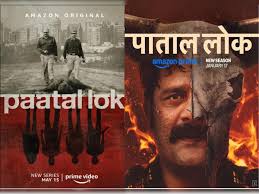
I’m continually amazed by India. Every series I watch seems to add another layer. Paatal Lok was no exception — it introduced me to regions I hadn’t heard of and challenged how I thought about India, Indian television, and crime stories more broadly. I first came across the show during the pandemic, expecting a standard police drama. I wasn’t prepared for how layered and unsettling it would be. The story grew in complexity with every episode, and the final reveal caught me completely off guard.
The main character, a weary police officer, introduces the idea of Paatal Lok in the very first episode, describing it as the underworld. It is a land of enchantment and illusions. It seems more beautiful than Swarga Lok, overflowing with wealth, charm, and attractive people. But it is a trap. His young partner is new to the beat and is being prepared for what to expect in the rough neighborhood they’ve been assigned to. On the surface, this “lower world” seems vibrant and full of life, but it’s built on illusions. This metaphor becomes central to the story: what we see, what we’re told, and what’s happening are often very different things.
This theme plays out as suspects are rounded up and blamed for a high-profile crime. The pressure to prove guilt outweighs the quest for truth. It’s a pattern that feels familiar—not just in the context of India, but anywhere institutions are under pressure to solve problems quickly and politically. Don’t expect easy answers here; instead, the series raises uncomfortable questions that demand attention.
I’m not often shocked by the reveal moment. This time I was—not so much by who committed the crime as by the detective’s reaction. I felt a physical reaction to his disbelief about how and why the crime was committed. Jaideep Ahlawat conveyed this disbelief effortlessly, in addition to the resignation about the outcome of the case. It’s one of my favorite moments in television—ever.
I had a similar experience with Season Two. The production is low-key: no flashy effects, no overdone drama. The writing does all the heavy lifting. It’s a violent show, and some scenes are difficult to watch, but the story is compelling enough to keep you engaged. Season Two also explored cultural aspects of Indian society. Once again, Jaideep Ahlawat delivers a subtle, layered performance—quietly confronting social realities while revealing new depths to his character.
What stayed with me most is how Paatal Lok explores the space between what’s real and what we’re told to believe. It’s a universal idea, but this show tells it through a lens that’s deeply rooted in Indian culture, politics, and mythology. If you’re up for something gritty and thought-provoking, this one’s well worth your time.


 Moksha World
Leave a comment